Beyond the Finish Line: How Kinetic Races Are Quietly Building Year-Round Economies
Photo: Kritzolina, CC BY-SA 4.0, via Wikimedia Commons
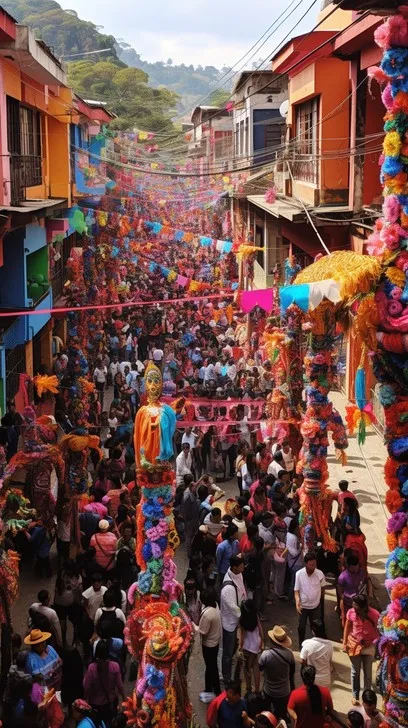
Most people see a kinetic sculpture race as a weekend spectacle — a gloriously chaotic parade of human-powered contraptions wobbling through sand, surf, and mud while crowds cheer from the sidelines. What they don't see is the economic engine quietly humming underneath all that weirdness.
Talk to enough builders, organizers, and local business owners, and a different picture starts to emerge. The race weekend is really just the most visible part of something much bigger — a year-round ecosystem of skills, services, and creative hustle that keeps money moving long after the last giant crab has been hosed down and parked in someone's garage.
The Build Season Is Actually a Hiring Season
For fabricators and engineers embedded in the kinetic racing world, the months leading up to a race aren't just about their own machines. They're fielding calls from other teams.
Take Marcus Delgado, a welder and mechanical engineer based in Humboldt County, California, who has competed in the Kinetic Grand Championship for over a decade. Between October and April, his phone doesn't stop. "People know I can build weird stuff that actually holds together," he says. "I get hired to help other teams with their drivetrain systems, their steering linkages — whatever they're stuck on. It's not a fortune, but it's real work."
This informal consulting economy is more common than you'd think. Experienced builders with specialized skills — custom metalwork, waterproofing systems, unconventional gear ratios — often find themselves in demand as hired guns for newer or less technically confident teams. Some charge by the hour. Others barter services, trading fabrication time for help with the artistic elements they're less confident about.
It's a DIY labor market that operates almost entirely on reputation and word of mouth, and it's surprisingly robust.
Tourism Doesn't Clock Out on Sunday
Ask any Main Street business owner in Arcata or Port Townsend what race weekend does for their bottom line, and you'll get the same answer: it's one of their best weekends of the year. Hotels book out. Restaurants run out of food. Parking lots overflow with out-of-towners who came for the spectacle and stayed for the vibe.
But the tourism tail is longer than most people realize. Kinetic sculpture races have developed devoted followings — people who plan their vacations around the race calendar, who come back year after year and bring friends. Local shops that sell race-themed merchandise see a steady drip of online orders throughout the year from fans who couldn't make the trip in person.
In Humboldt County, the race has essentially become a year-round brand. The Kinetic Universe Museum in Old Town Eureka draws visitors on the slowest Tuesday in February just as readily as race weekend in May. Sculptures that competed years ago sit on permanent display, pulling in curious tourists who stumble in off the street and end up spending two hours learning about the engineering behind a giant snail that once crossed Humboldt Bay.
"People come in just because they saw something weird in the window," says one museum volunteer. "And then they're hooked. They start asking when the next race is, how they can get involved. That curiosity doesn't have an off-season."
When Race Skills Pay the Bills
Some builders have taken the leap from passionate amateur to genuine professional, using the credibility and skills built through kinetic racing to launch businesses that didn't exist before.
Jenna Kowalski spent five years building and racing a kinetic sculpture in the Baltimore area before she realized that the project management, fabrication, and creative problem-solving skills she'd developed were actually marketable. She now runs a small interactive art installation company that designs experiential pieces for corporate events, festivals, and public spaces.
"The race taught me how to build things that have to survive real-world conditions — mud, water, people climbing on them," she explains. "That's exactly what clients want when they hire someone to build an installation that five thousand people are going to interact with at a festival."
Her client roster has grown steadily. She credits her kinetic racing background directly for getting her first few contracts — the portfolio was unusual enough to stand out, and the engineering credibility gave potential clients confidence that her work wouldn't fall apart on day two.
She's not alone. Across the country, former and current kinetic racers have parlayed their race experience into teaching positions at art schools, consulting roles for theme park designers, and commissions for large-scale public art. The race functions as a kind of proving ground — a place where wild ideas meet hard engineering reality, and the people who survive that collision come out with a very particular and valuable skill set.
Merchandise, Media, and the Long Tail of Weird
There's also a growing merchandise economy worth paying attention to. Race organizations have gotten increasingly savvy about turning their events into year-round brands. T-shirts, posters, prints, and enamel pins featuring iconic past sculptures generate steady revenue between races. Some teams have developed their own merchandise lines, selling gear tied to their specific sculpture or racing persona.
On the media side, documentary filmmakers, YouTubers, and podcast producers have discovered that kinetic racing is genuinely compelling content. A well-produced build series or race-day documentary can rack up views for years, generating ad revenue and driving traffic back to merchandise stores and Patreon pages long after the race itself is over.
One team from the Pacific Northwest documented their entire build process across a season and posted it as a YouTube series. The videos now have a combined view count well into six figures, and the team sells prints of their sculpture through a linked Etsy shop. "We made more money from the YouTube series than we spent on the build," one team member admits. "That was not the plan, but we'll take it."
A Community That Keeps Spending
Maybe the most underappreciated part of the kinetic race economy is just how engaged the community stays between events. Forums stay active. Discord servers buzz. People are sharing build updates, asking for advice, and planning their next machines twelve months out.
That sustained engagement translates to sustained spending — on materials, tools, workshop space, and the occasional road trip to visit another race. Suppliers who cater to this community have noticed. A handful of specialty vendors now actively market to kinetic racers, knowing that the audience is passionate, technically literate, and willing to spend money on quality components.
The race weekend is the celebration, but the community is the engine. And unlike a lot of niche hobbies, this one has figured out how to keep that engine running all year long — generating income, building skills, and pulling new people into the orbit of one of America's most joyfully strange traditions.
The mud dries. The economy doesn't.