Life After the Finish Line: Where Kinetic Sculptures Go When the Race Is Over
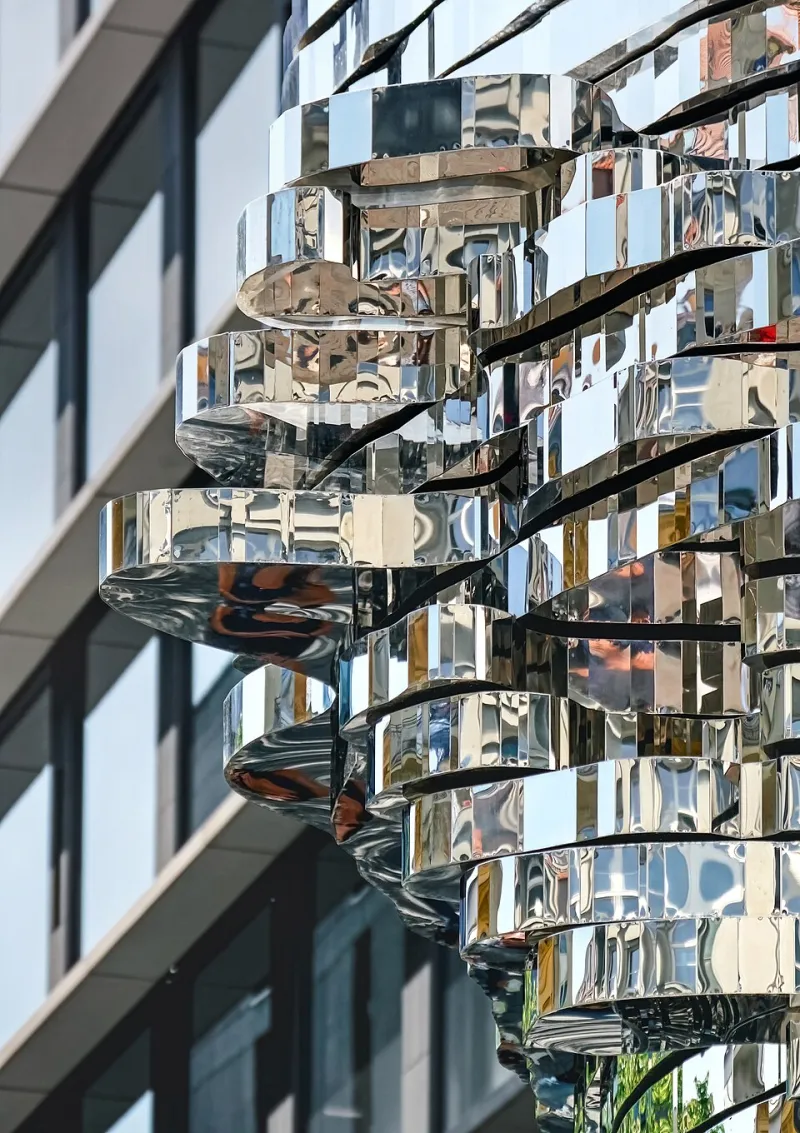
Photo: Kritzolina, CC BY-SA 4.0, via Wikimedia Commons
There's a particular kind of silence that settles over a kinetic sculpture team at the end of race day. The crowds have thinned, the judges have tallied their scores, and everyone is sunburned and exhausted in the best possible way. And then someone looks at the twelve-foot mechanical jellyfish they spent eight months building and asks the question nobody really planned for: So, uh... what do we do with this now?
For most teams, the sculpture represents an enormous investment—of money, time, creative energy, and garage space. Letting it rust in a backyard feels wrong. But storing, transporting, or displaying a multi-hundred-pound kinetic art machine is genuinely complicated. The afterlife of a kinetic sculpture turns out to be one of the most overlooked and fascinating chapters in the whole story of these races.
The Three Fates of a Finished Sculpture
Talk to enough builders and a rough taxonomy emerges. Most kinetic sculptures, after their racing days are done, fall into one of three categories: they get stored (and eventually quietly dismantled), they get repurposed into something new, or they find a second life as a public or semi-public attraction.
The first outcome is more common than the community likes to admit. Building a kinetic sculpture is a project fueled by deadline energy and competitive excitement. Maintaining one—keeping it weather-protected, mechanically functional, and physically stored somewhere—requires a different, quieter kind of commitment that not every team is ready for. Some sculptures live out their days under tarps in driveways, slowly returning to their component parts.
But the stories that stick, the ones that get passed around at post-race gatherings and shared in online builder communities, are the ones that didn't end that way.
Museum Pieces and Gallery Stars
A handful of kinetic sculptures have made the leap from race course to formal exhibition space, and the transition is rarely straightforward. Museums and galleries are genuinely interested in kinetic art—it's a legitimate and celebrated genre with roots going back to Alexander Calder and beyond—but they have specific requirements around structural stability, safety, and maintenance that race-built machines don't always meet out of the box.
Several builders have described a process of essentially rebuilding their sculpture from the inside out to meet gallery standards: reinforcing welds, replacing functional racing components with display-safe equivalents, and in some cases completely rethinking how the kinetic elements operate so they can run continuously without a human crew powering them.
One Pacific Northwest builder spent nearly a year adapting her team's award-winning crustacean sculpture for a permanent installation at a regional science museum. The original machine required six people pedaling to move. The museum version runs on a small electric motor hidden in the base, and its mechanical legs cycle slowly and continuously for delighted visitors. "It's a completely different machine wearing the same costume," she says. "But kids absolutely lose their minds over it, so I'll take it."
The Traveling Circuit
For sculptures that aren't quite ready for permanent installation but are too good to sit in storage, a loose network of festivals, fairs, and community events has emerged as a viable second career. Maker Faires, art festivals, school STEM events, and library programs have all become regular stops for kinetic sculptures with adventurous owners.
This circuit suits sculptures that are visually dramatic, mechanically interactive, and reasonably transportable. A machine that needs a flatbed truck and a crane to move is a harder sell than one that breaks down into sections and fits in a cargo van. Builders who want their work to keep traveling often design with this in mind from the very beginning—building in disassembly points, creating labeled component systems, and writing basic operation guides so that other people can run the piece without the original crew present.
The economics of this second life vary wildly. Some builders loan their sculptures for free to community events, happy just to see the work appreciated. Others have turned their machines into modest revenue sources, charging appearance fees that help offset storage and maintenance costs. A few have formalized the arrangement entirely, treating their sculpture as a small business asset.
Community Landmarks and Permanent Installations
Perhaps the most satisfying outcome for a kinetic sculpture is when it becomes genuinely embedded in a community—a permanent landmark that locals walk past, children grow up knowing, and visitors seek out specifically.
This has happened more often than you might expect, particularly in the towns that host recurring kinetic races. Communities with a strong race culture sometimes develop a kind of civic pride around kinetic art that makes them receptive to permanent installations. A sculpture that placed well in the local race, built by a team with community ties, has a real shot at finding a permanent home in a park, library courtyard, or public plaza.
The process usually involves navigating municipal art committees, public works departments, and sometimes historic preservation boards—a bureaucratic journey that many builders find nearly as challenging as the original race. Weather resistance, vandalism resistance, and liability considerations all come into play. Several builders have described the permitting process for a public installation as "building the sculpture a second time, but with paperwork instead of metal."
Still, the ones who get through it tend to feel it was worth every frustrating meeting. There's something genuinely moving about a machine built for a weekend race becoming a fixture that a town claims as its own.
The Cannibalization Option
Not every sculpture gets a fairy-tale second act, and not every builder wants one. Some of the most experienced builders in the kinetic community have a remarkably unsentimental relationship with their finished work. For them, the sculpture was always a vehicle for the process—the problem-solving, the collaboration, the learning—and once that process is complete, the machine's highest purpose might simply be to become the raw material for the next one.
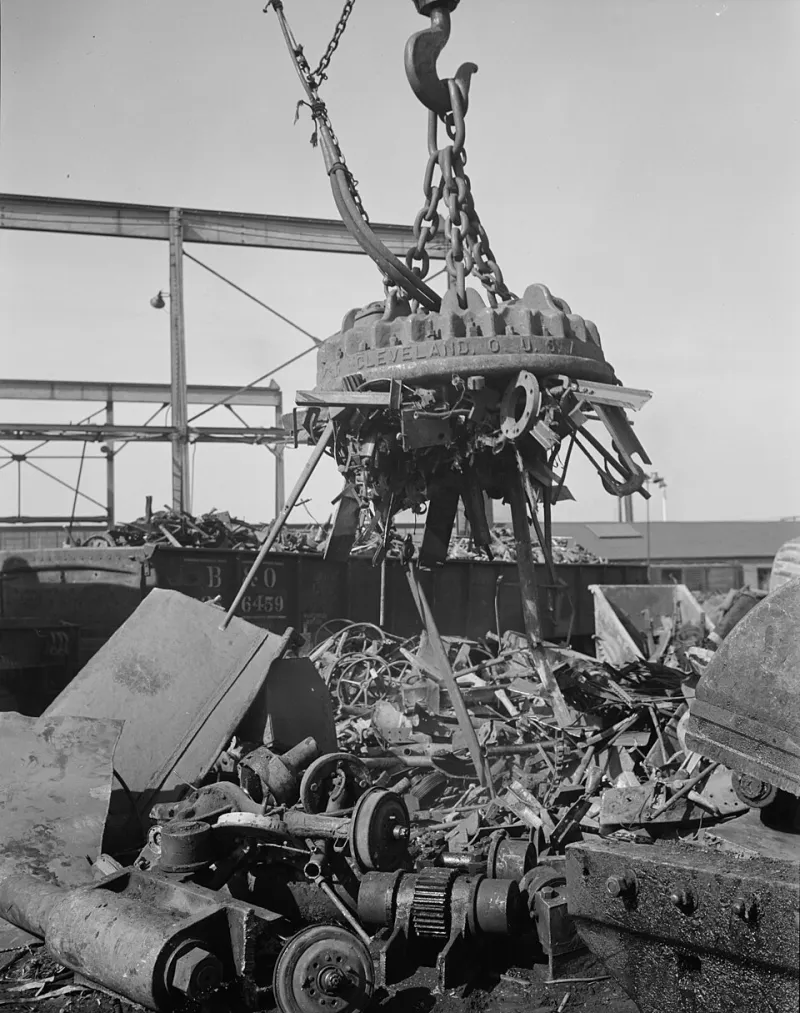
This approach, sometimes called "cannibalization" in builder circles, treats a finished sculpture the way a chef treats a stock pot: everything useful gets stripped out and recirculated. Drive train components, structural tubing, hardware, electrical systems, flotation materials—all of it gets catalogued, cleaned, and stored for future builds. The artistic shell might get disassembled or donated for scrap, but the mechanical heart lives on.
There's a real elegance to this philosophy, and it aligns naturally with the salvage-and-scrounge ethos that runs through so much of kinetic building culture. Nothing is wasted. The crab that raced in 2019 is, in a meaningful sense, still racing—just wearing a different costume.
Planning for the Afterlife Before the Race Begins
The builders who navigate the post-race period most gracefully tend to be the ones who thought about it before race day. Having a rough plan—even just a conversation among team members about what they hope happens to the sculpture—makes the decision far less fraught when the time comes.
A few questions worth asking early: Is this machine built to last, or built to race? Are you attached to it as a specific object, or to what it represents? Does your community have a venue that might want it? Is it designed to be disassembled and transported, or is it essentially a permanent structure once assembled?
The finish line, it turns out, is just another checkpoint. The race keeps going—just in a different direction.