Pedal Power and Pioneering Spirit: The Women Driving Kinetic Racing Forward
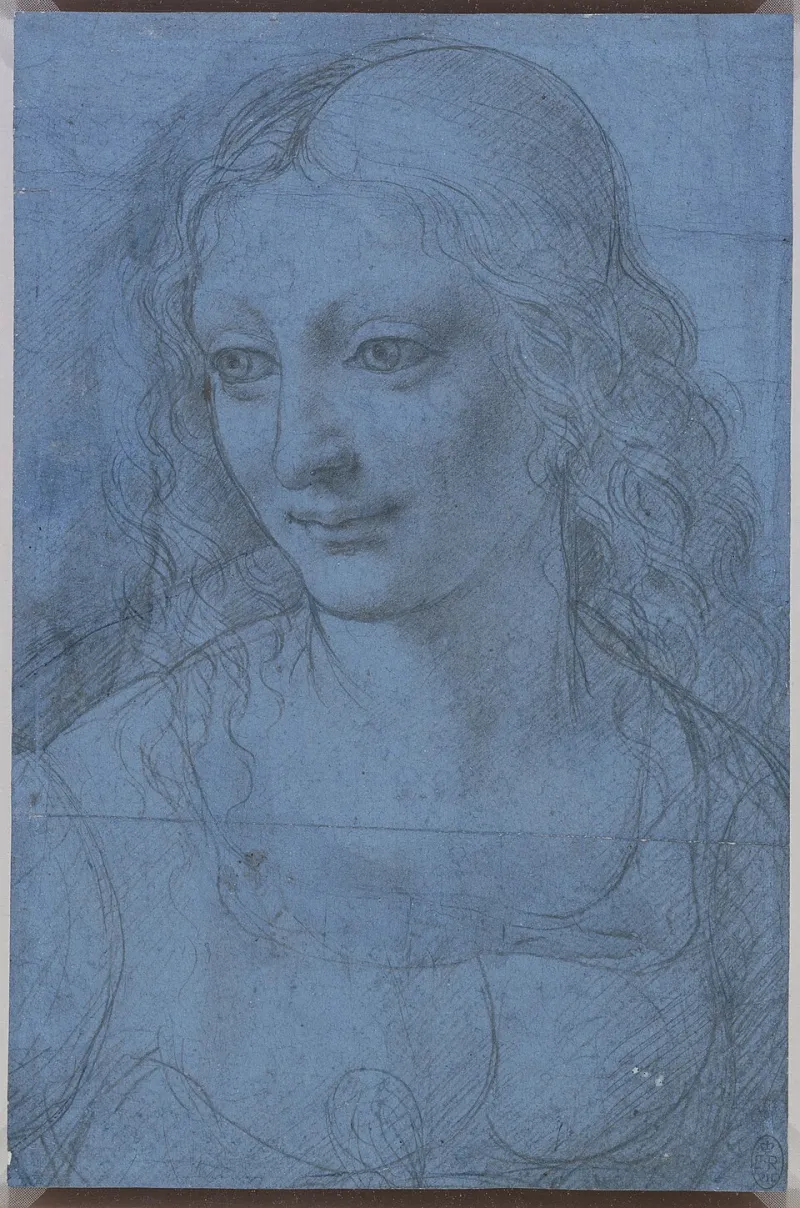
Photo: Leonardo da Vinci, Public domain, via Wikimedia Commons
Kinetic sculpture racing doesn't have a typical competitor. That's kind of the whole point. The sport was built on the idea that art and engineering don't belong in separate boxes — and that anyone with a wild enough imagination and enough stubbornness to see it through can build something worth racing.
And yet, for much of its history, the community looked a lot like most engineering and fabrication spaces in America: predominantly male. That's changing. Fast.
Across race events from Humboldt, California to Easton, Maryland, women are taking on roles that go well beyond participation. They're leading design teams, solving novel engineering problems, mentoring younger builders, and — not incidentally — building some of the most visually striking and technically sophisticated machines on the course.
Not Just a Seat at the Table — a Seat in the Cockpit
For decades, women participated in kinetic racing in every capacity, but their contributions weren't always centered in the narratives the sport told about itself. The stories that got told were often about the guys with the welders. That framing is shifting, partly because the women doing this work are increasingly vocal about their experiences — and partly because their results are impossible to ignore.
"I think people expected me to be handling the decoration part," says one builder from coastal California who has led her team's engineering design for the past four years. "And I get it — there's an assumption. But I'm the one who designed the drivetrain and figured out our amphibious transition system. I like pretty things and I understand torque ratios. Both can be true."
That dual fluency — comfort with both the aesthetic and the mechanical — is something many female builders describe as a particular strength. In a sport where form and function are inseparable, the ability to hold both in mind simultaneously isn't just useful. It's a competitive advantage.
Engineering with a Different Eye
Kinetic sculpture racing rewards unconventional thinking. The course itself demands it — a machine that handles beautifully on pavement may flounder in sand, and one optimized for the mud bog might struggle on the water crossing. Every design is a negotiation between competing demands, and there's rarely one right answer.
Several female engineers and builders interviewed for this piece pointed to a comfort with iterative, collaborative problem-solving as something they bring to the process. Rather than locking in a design early and defending it, they tend to treat the build as an ongoing conversation — between team members, between the machine and the course, between the concept and the constraints.
"We scrapped our wheel design three times," recalls the lead builder of an all-female team that placed in the top five at a major regional event last year. "And every time we scrapped it, we learned something. By the third version, we had something that actually worked. I don't think we would have gotten there if we'd been too attached to the first idea."
This kind of design flexibility shows up in the finished machines, too. Sculptures built by women-led teams have drawn consistent praise from judges for their cohesive integration of form and function — not just beautiful machines that happen to move, but machines whose movement is part of their beauty.
Mentorship and the Pipeline Problem
One of the most significant ways women are reshaping kinetic racing isn't visible on the course itself — it's in the garages and community workshops where the next generation of builders is learning the craft.
Female builders are disproportionately involved in mentorship and outreach, particularly programs that introduce girls and young women to fabrication, welding, and mechanical design through the lens of kinetic art. The appeal is obvious: kinetic sculpture is inherently joyful. It's not abstract engineering for its own sake — it's engineering in service of something ridiculous and wonderful and alive.
"When I show a fifteen-year-old girl a giant mechanical crab rolling down the street and tell her that someone built that in their garage, her face changes," says one educator and builder who runs a youth workshop program in the Pacific Northwest. "She goes from 'that's not for me' to 'wait, could I do that?' And the answer is yes. Absolutely yes."
This pipeline investment matters because kinetic racing, like most maker communities, tends to reproduce itself. The more women are visible as builders and leaders, the more young women can see themselves in those roles — and the broader and more diverse the talent pool becomes.
Changing the Aesthetic Language of the Sport
It would be reductive to say that women builders bring a particular aesthetic to kinetic racing — creative individuals defy generalization. But it's fair to say that the growing presence of women in design leadership has expanded the visual vocabulary of the sport.
Scuptures are getting weirder, more narrative, more emotionally textured. There are more builds that tell stories, that reference mythology or folklore, that play with gender and identity in ways that feel genuinely exploratory rather than incidental. The range of cultural references has broadened. The humor has gotten stranger and sharper.
"I built a giant goddess of the sea one year," says one veteran racer who has competed across multiple states. "She had twelve legs and a crown made of salvaged plumbing fixtures. The judges loved her. I think she unsettled some people too, and I was fine with that."
That willingness to unsettle — to make something that doesn't just entertain but provokes — is exactly the energy kinetic racing needs to stay vital. The sport has always been a little confrontational in the best sense: here is a giant moving crab, deal with it. Women builders are amplifying that confrontational spirit in ways that feel fresh and necessary.
The Road Ahead
Kinetic sculpture racing isn't going to solve the broader gender gaps in engineering and fabrication on its own. But it's doing something genuinely valuable: it's offering an entry point into those disciplines that feels welcoming, playful, and explicitly creative — and it's doing so in a community that, at its best, actually walks the walk on inclusion.
The women competing, building, mentoring, and leading in this sport aren't asking for a separate category or special recognition. They're asking for what every builder asks for: a fair course, a good race, and the chance to show what they built.
And based on what's rolling, floating, and flying across finish lines these days, what they're building is pretty spectacular.